
📑 Quick Navigation – Your Roadmap to Fusha Mastery
🎯 Getting Started (15 min)
- 📚 What is Arabic Language (Fusha)? • 3 min
- 🎯 Why Learn Fusha? 10 Reasons • 5 min
- 👥 Who Needs Fusha? • 4 min
- ⚖️ Fusha vs Dialects Decision • 3 min
📊 Planning Your Journey (20 min)
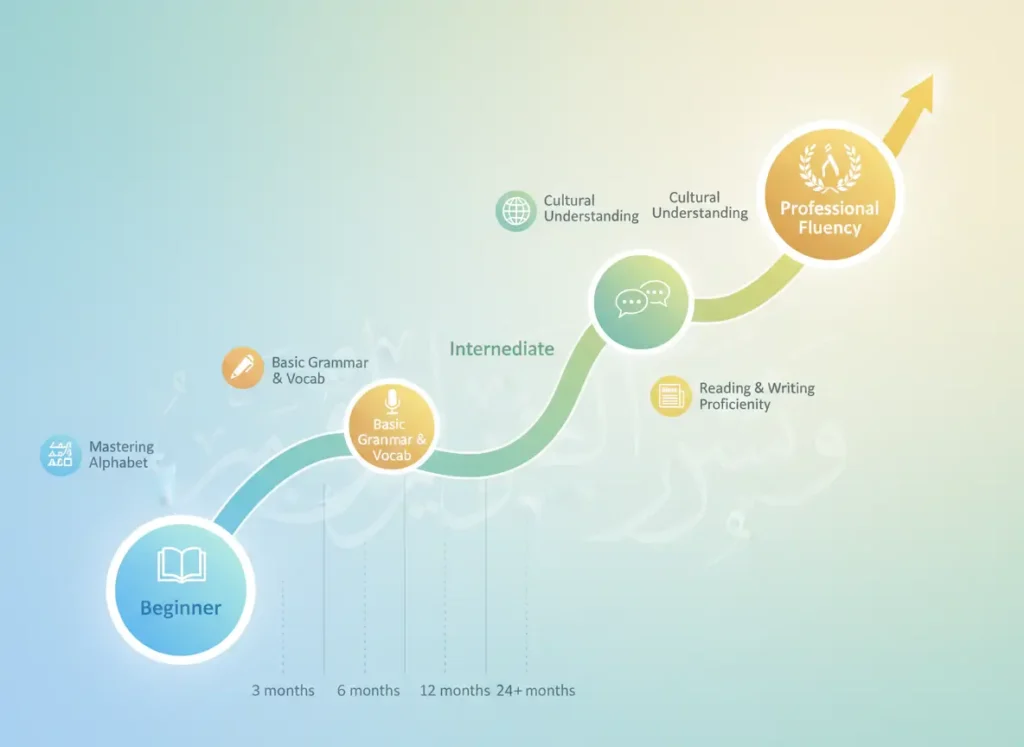
- ⏱️ Realistic Timeline & Milestones • 5 min
- 📖 What You’ll Actually Learn • 6 min
- 💪 Common Challenges & Solutions • 5 min
- ⚠️ Critical Mistakes to Avoid • 4 min
🚀 Taking Action (15 min)
- 🔍 Learning Methods Compared • 4 min
- ✅ How to Choose the Right Course • 6 min
- 📝 Study Strategies That Work • 5 min
💡 Resources & Next Steps (10 min)
- 🌟 Real Success Stories • 4 min
- ❓ FAQ – Your Questions Answered • 4 min
- 🏆 Why Alphabet Arabic Academy • 2 min
📊 Total Reading Time: ~60 minutes | Quick Scan: ~15 minutes
🌟 Introduction: The Language That Opens 1.8 Billion Doors
Dr. Michael Stevens sat in his office at Georgetown University, frustrated. After 18 months studying Egyptian colloquial Arabic, he could order food in Cairo and chat with taxi drivers—but he couldn’t read a single newspaper article, understand Al Jazeera broadcasts, or engage with the academic Arabic texts his research required.

“I can ask for directions in Egyptian Arabic,” he told his colleague, “but I can’t read the Arabic journal articles in my field. I chose the wrong Arabic.”
His colleague, Dr. Fatima Ahmed, smiled knowingly. “You didn’t learn the wrong Arabic—you learned one Arabic. For your professional needs, you need Fusha—Modern Standard Arabic. That’s the Arabic of education, media, literature, and formal communication across all 22 Arab countries.”
Dr. Stevens enrolled in a structured Fusha program. Twelve months later, he was reading Arabic research papers, presenting at Arabic-language conferences, and publishing in Arabic academic journals. The Egyptian dialect he’d learned remained useful for daily life in Cairo—but Fusha became his professional superpower, opening doors across the entire Arab world.
This is the power and purpose of Arabic Language (Fusha)—Modern Standard Arabic. Not the Arabic of street conversations (that’s dialect). But the Arabic of books, news, education, business, and formal contexts. The Arabic understood from Morocco to Iraq, from Egypt to Saudi Arabia. The Arabic that provides access to 1,400 years of written heritage and contemporary media consumed by 400+ million Arabic speakers.
This comprehensive guide reveals everything you need to know about learning Arabic Language (Fusha): what it is, why it matters, how it differs from dialects and Classical Arabic, who needs it, what you’ll learn, realistic timelines, effective methods, common challenges, and proven strategies for mastery. Whether you’re a complete beginner, a dialect speaker adding Fusha, or someone seeking comprehensive Arabic literacy—this guide illuminates your path.
📚 What Exactly is Arabic Language (Fusha)?
⚡ Quick Summary (30 seconds)
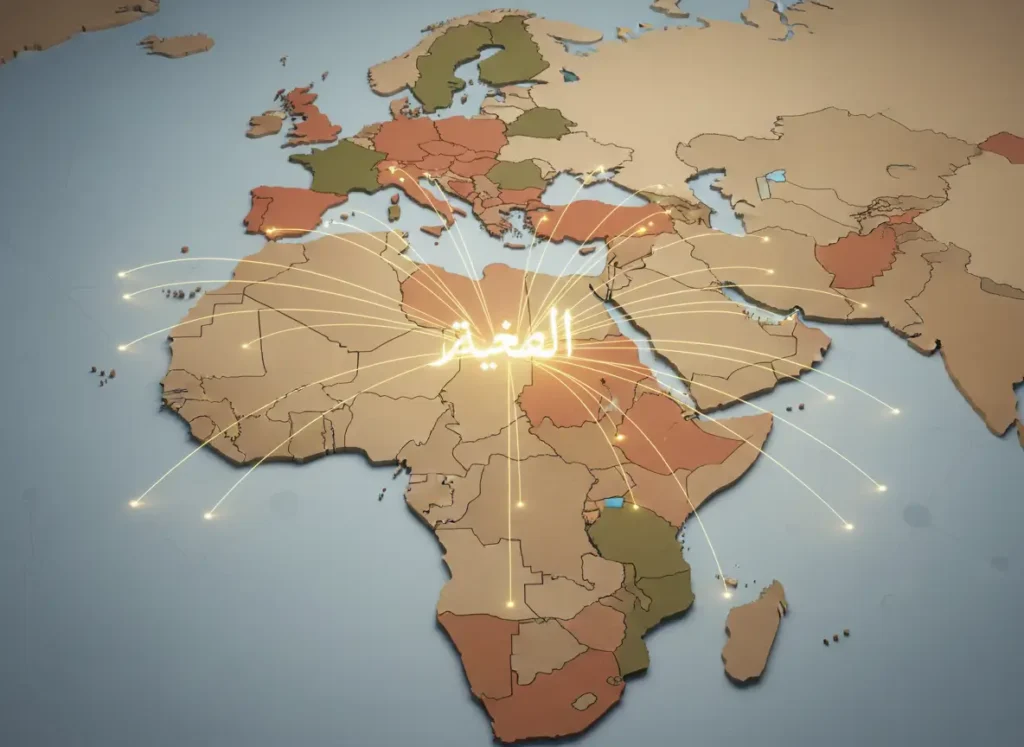
Fusha = Modern Standard Arabic (MSA). The formal, standardized Arabic used for writing, media, education, and business across all 22 Arab countries. Different from dialects (spoken) and Classical Arabic (Quranic).
Fusha Defined: Modern Standard Arabic
Arabic Language (Fusha) refers to Modern Standard Arabic (MSA)—the standardized, formal variety of Arabic used across the Arab world for:
✅ Written communication: Books, newspapers, websites, official documents ✅ Formal speech: News broadcasts, lectures, speeches, presentations\
✅ Education: School textbooks, university courses, academic papers ✅ Media: Al Jazeera, BBC Arabic, newspapers, serious journalism ✅ Literature: Contemporary novels, poetry, essays ✅ Professional contexts: Business correspondence, international relations ✅ Pan-Arab communication: When Arabs from different countries need mutual intelligibility
Key Characteristic: Fusha is standardized and consistent across all Arab countries. A Lebanese reads the same Fusha as an Egyptian, Saudi, or Moroccan—even though their spoken dialects are dramatically different.
Many learners confuse three distinct forms of Arabic. Clarity is essential:
The Three “Arabics”: Understanding the Distinctions
| Type | Also Called | Used For | Who Uses It | Learn It For |
|---|---|---|---|---|
| Fusha (MSA) | Modern Standard Arabic | • Writing • Formal speech • Media • Education | All educated Arabs | • Reading & writing • Formal communication • Pan-Arab contexts |
| Classical Arabic | Quranic Arabic, Fus-ha al-Turath | • Quran • Classical Islamic texts • Classical poetry | Religious scholars, classical literature students | • Quran understanding • Islamic studies • Classical texts |
| Colloquial Arabic | Dialect, Ammiya, Darija | • Daily conversation • Informal settings | Everyone in daily life | • Living in Arab country • Casual conversations • Informal contexts |
Fusha Modern Writing, formal All educated Reading, writing, (MSA) Standard speech, media, Arabs formal
Arabic education communication,
pan-Arab contexts
Classical Quranic Quran, Religious Quran understanding, Arabic Arabic, classical scholars, Islamic studies,
Fus-ha Islamic texts, classical classical texts
al-Turath classical literature
poetry students
Colloquial Dialect, Daily Everyone in Living in Arab Arabic Ammiya, conversation, daily life country, casual
Darija informal conversations,
settings informal contexts
🔍 Detailed Comparison: Fusha vs Classical Arabic
| Aspect | Classical Arabic (Quranic) | Fusha (MSA) |
|---|---|---|
| 📅 Time Period | 7th-19th centuries | 20th century-present |
| 📖 Vocabulary | Archaic words (camel types, desert life) | Modern (internet, democracy, technology, science) |
| 📝 Grammar | Highly complex, strict i’rab | Slightly simplified, i’rab less strict in speech |
| 🎯 Primary Use | Quran, Hadith, classical literature | Contemporary writing, media, education |
| 🗣️ Spoken | Never spoken (historical only) | Spoken in formal contexts |
| 💭 Think of It As | Shakespearean English | Contemporary BBC English |
| 📚 Example Text | Quranic verses, classical poetry | Al Jazeera news, modern novels |
Key Insight: Fusha evolved FROM Classical Arabic, adapting it for modern needs while preserving grammatical structure.
👉 Ready to unlock the Arab world through Fusha?
Schedule Free Consultation to discuss your goals and perfect learning path.
🎯 Why Learn Arabic Language (Fusha)? 10 Compelling Reasons
⚡ Quick Summary (30 seconds)
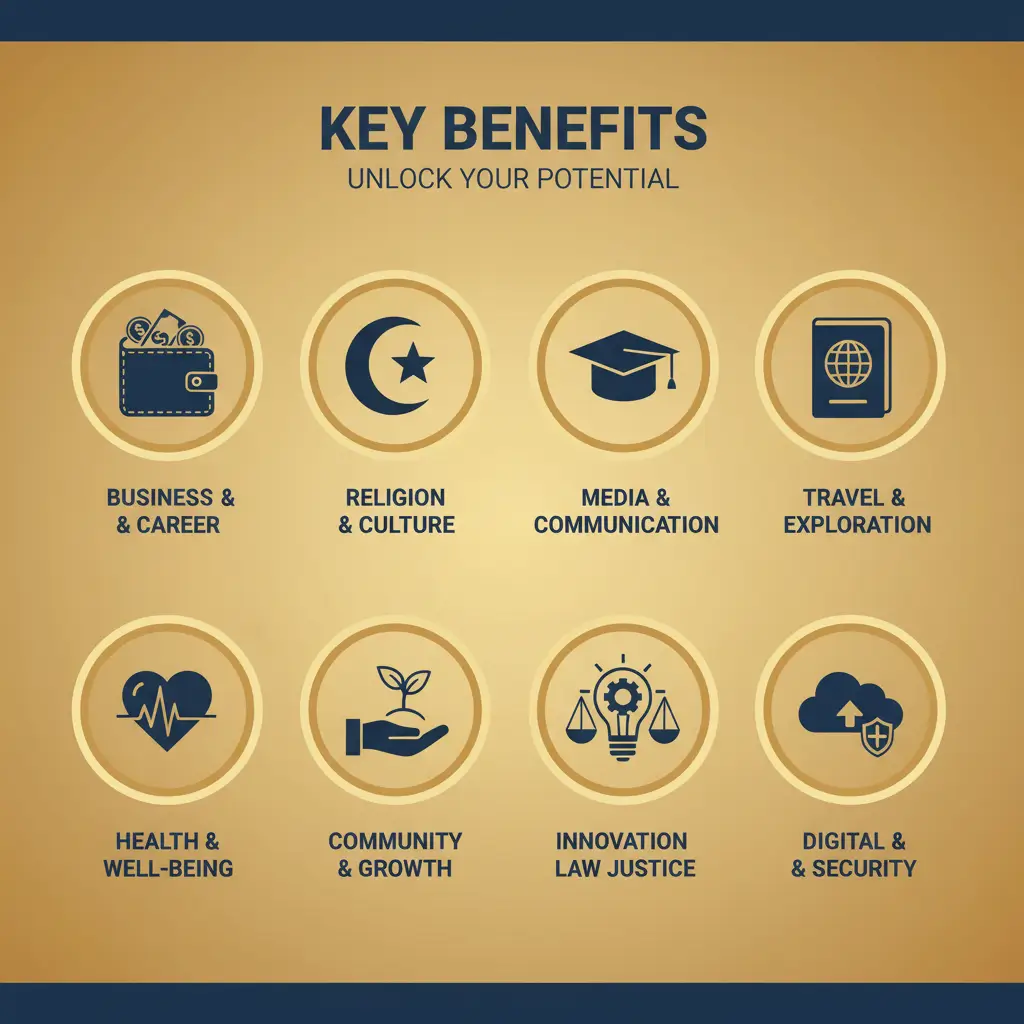
Fusha provides: universal Arab world access, reading ability, media comprehension, professional competency, Quranic foundation (70-80%), intellectual heritage access, career advantages, and cognitive benefits.
Reason 1: Universal Arab World Access
Unlike dialects (regional only), Fusha works everywhere Arab.
An Egyptian dialect speaker struggles in Morocco. A Lebanese dialect speaker struggles in Algeria. But Fusha? Understood by educated speakers across all 22 Arab countries from Atlantic to Arabian Gulf.
One language = 22 countries, 400+ million speakers
Reason 2: Gateway to Written Arabic
98% of Arabic writing is Fusha.
Books, newspapers, websites, academic texts, business documents—all written in Fusha. Want to read Arabic? You need Fusha. Dialects are primarily oral; learning dialect alone keeps you functionally illiterate in Arabic.
Reason 3: Media Comprehension
Al Jazeera, BBC Arabic, major news networks broadcast in Fusha.
Following Arabic news, documentaries, and serious programming requires Fusha comprehension. Dialects work for local entertainment (TV series, comedy) but not formal journalism.
Reason 4: Academic and Professional Necessity
For academic research, business, or professional work involving Arab world, Fusha is non-negotiable.
Academic papers, business correspondence, legal documents, technical manuals, international diplomacy—conducted in Fusha. No professional can function with dialect alone.
Reason 5: Quranic Foundation (with caveats)
Fusha provides 70-80% foundation for Classical Arabic/Quranic comprehension.
While Quran uses Classical Arabic (requiring separate study of archaic elements), Fusha learners grasp most Quranic grammar and 60-70% of vocabulary. Significant advantage over starting Classical Arabic from scratch or using dialect.
📿 Fusha-Quranic Arabic Overlap: Detailed Breakdown
| Component | Overlap Percentage | What This Means | What You Still Need |
|---|---|---|---|
| 📝 Grammar Structure | 85-90% | Most Quranic grammar = Fusha grammar | Classical-specific constructions (rare forms) |
| 📚 Core Vocabulary | 60-70% | Many Quranic words used in Fusha | Archaic vocabulary (specific to Quran/Hadith) |
| 🔤 Syntax (Word Order) | 80-85% | Sentence patterns very similar | Some poetic inversions |
| 🎯 Root System | 95%+ | Same trilateral root system | Just need to learn classical roots |
| ⭐ Overall Comprehension | 70-80% with Fusha alone | Can understand most of Quran text | 20-30% requires Classical Arabic study |
💡 Strategic Path:
- Learn Fusha (12-18 months) = 70-80% Quran comprehension
- Add Classical Arabic elements (6-12 months) = 95%+ comprehension
- Total: 18-30 months to full Quranic understanding
Compare to: Learning Classical Arabic from scratch with no Fusha = 24-36+ months
Reason 6: Intellectual Heritage Access
1,400 years of Arabic intellectual tradition—philosophy, science, literature, history—mostly accessible through Fusha.
Medieval texts require Classical Arabic, but enormous modern scholarship analyzing and discussing that heritage uses Fusha. Without Fusha, this intellectual world remains closed.
Reason 7: Cultural Sophistication
Fusha is the language of Arab high culture.
Contemporary literature, poetry, intellectual discourse, cultural criticism—conducted in Fusha. Dialect speakers may engage with pop culture, but intellectual culture requires Fusha literacy.
Reason 8: Cognitive Benefits
Learning Fusha provides unique cognitive advantages:
- New writing system (right-to-left)
- Root-pattern morphology (unlike English word formation)
- Complex grammatical system
- Dual number (unlike English singular/plural only)
These cognitive challenges strengthen executive function and metalinguistic awareness.
Reason 9: Career Advantages
Global demand for Arabic speakers far exceeds supply.
Employers seeking Arabic-literate professionals face severe shortage. Fields include:
- International business
- Diplomacy and government
- NGOs and development
- Education
- Translation and interpretation
- Media and journalism
- Intelligence and security
- Academic research
💼 Professional Domains: Fusha Necessity Matrix
| Field | Fusha Necessity | Dialect Usefulness | Why It Matters |
|---|---|---|---|
| 📚 Academic Research | ⭐⭐⭐⭐⭐ Essential | ⭐ Minimal | Reading sources, publishing papers |
| 💼 International Business | ⭐⭐⭐⭐ Required | ⭐⭐ Helpful locally | Contracts, reports, regional communication |
| 🏛️ Diplomacy/Government | ⭐⭐⭐⭐⭐ Mandatory | ⭐⭐ Supplementary | Official documents, formal meetings |
| ⚖️ Legal Work | ⭐⭐⭐⭐⭐ Critical | ⭐ Limited | Contracts, court documents |
| 🎓 Education/Teaching | ⭐⭐⭐⭐⭐ Fundamental | ⭐⭐⭐ Classroom management | Textbooks, formal instruction |
| 📰 Journalism/Media | ⭐⭐⭐⭐ Core | ⭐⭐⭐ Local interviews | News writing, broadcasting |
| 🔬 Technical/Scientific | ⭐⭐⭐⭐ Documentation | ⭐⭐ Team communication | Research papers, manuals |
| ✈️ Translation | ⭐⭐⭐⭐⭐ Essential | ⭐⭐⭐ Both needed | Formal translation requires Fusha |
💰 Salary Premium for Arabic Speakers: Real Data
| Sector | Base Salary (English only) | With Arabic | Premium % | Annual Gain |
|---|---|---|---|---|
| 🏛️ Government/Diplomacy | $55,000 | $75,000 | +36% | +$20,000 |
| 💼 International Business | $65,000 | $85,000 | +31% | +$20,000 |
| 🎓 Academia/Research | $60,000 | $78,000 | +30% | +$18,000 |
| 📰 Media/Journalism | $50,000 | $65,000 | +30% | +$15,000 |
| 🔒 Intelligence/Security | $70,000 | $105,000 | +50% | +$35,000 |
| ✈️ Translation/Interpretation | $45,000 | $68,000 | +51% | +$23,000 |
📊 Average Premium: +35% across all sectors
💡 Lifetime Earnings: +$500,000 to $1,000,000 over 30-year career
Salary premium: Arabic speakers command 20-40% higher salaries than monolingual counterparts in many sectors.
Reason 10: Personal Fulfillment
For heritage learners, Fusha connects them to literate culture of their ancestry.
Many heritage speakers understand dialect from family but cannot read or write Arabic. Fusha literacy transforms relationship with heritage from oral tradition to full cultural participation.
🎯 Still unsure which Arabic to learn first?
Speak with Academic Advisor for personalized recommendation based on YOUR goals.
⚖️ Fusha vs Dialects: The Great Arabic Dilemma
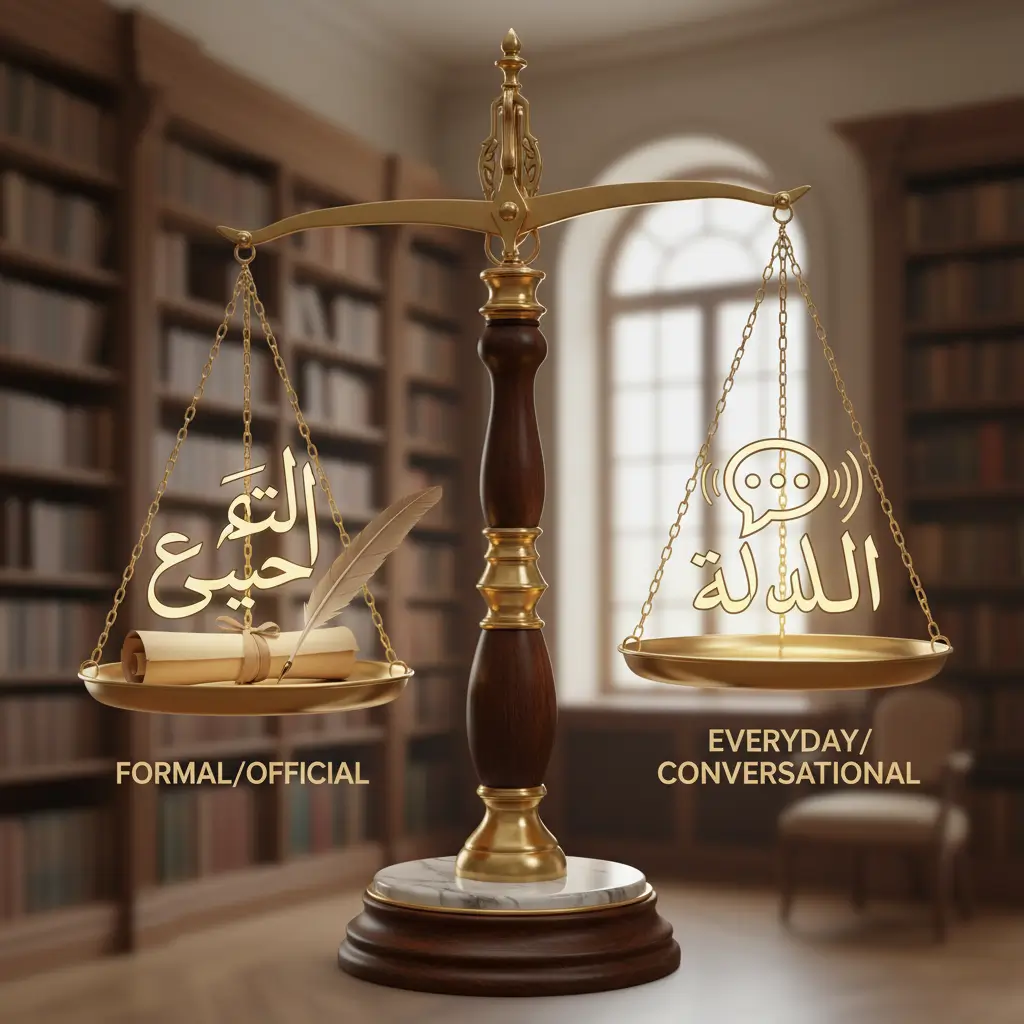
⚡ Quick Summary (30 seconds)
Choose Fusha for: reading, writing, pan-Arab work, Quran, formal contexts.
Choose Dialect for: living in specific country, casual conversation, daily life.
Best approach: Start Fusha, add dialect later if needed.
Most Arabic learners face this question: “Should I learn Fusha or dialect first?”
The answer depends entirely on your goals. But first, understand the differences.
Aspect Fusha (MSA) Dialects (e.g., Egyptian, Levantine)
⚖️ Fusha vs Dialects: Detailed Comparison
| Aspect | Fusha (MSA) | Dialects (e.g., Egyptian, Levantine) |
|---|---|---|
| 📍 Where Used | All 22 Arab countries | Region-specific (Egyptian only in Egypt, etc.) |
| 🎩 Formality | Formal contexts only | Informal, daily conversation |
| 📝 Written vs Oral | Primarily written; formal speech | Primarily oral; rarely written |
| 🌍 Mutual Intelligibility | Universal (all educated Arabs) | Limited (Egyptian ≠ Moroccan ≠ Iraqi) |
| 🎯 Use Cases | • Reading & writing • News & education • Business & formal communication | • Shopping & friendships • Casual conversation • Daily life interactions |
| 📚 Learning Difficulty | More complex grammar, formal vocabulary | Simpler grammar, colloquial expressions |
| 👥 Native Speakers | NONE (all learn it formally) | Everyone (acquired naturally from birth) |
| 📺 Media Examples | Al Jazeera, newspapers, textbooks | TV series, comedy shows, YouTube vlogs |
| 💼 Professional Value | Essential for business/academic work | Useful for living in specific country |
| 📖 Quran Relationship | 70-80% overlap with Classical/Quranic | Little relationship to Quranic Arabic |
Where Used All 22 Arab countries Region-specific (Egyptian
only in Egypt, etc.)
Formality Formal contexts only Informal, daily
conversation
Written vs Oral Primarily written; formal Primarily oral; rarely
speech written
Mutual Universal (all educated Limited (Egyptian ≠ Intelligibility Arabs) Moroccan ≠ Iraqi)
Use Cases Reading, writing, news, Shopping, friendships,
education, business casual conversation
Learning More complex grammar, more Simpler grammar, Difficulty formal vocabulary colloquial expressions
Native Speakers NONE (all learn it formally) Everyone (acquired
naturally from birth)
Media Examples Al Jazeera, newspapers, TV series, comedy shows,
textbooks YouTube vlogs
Professional Essential for Useful for living in Value business/academic work specific country
Quran 70-80% overlap with Little relationship to Relationship Classical/Quranic Quranic Arabic
Decision Framework: Which Should YOU Learn?
Choose Fusha if:
✅ You want to read Arabic (books, news, websites)
✅ You need Arabic for academic or professional purposes
✅ You want one Arabic working across all Arab countries
✅ Quranic understanding is a priority
✅ You’re not planning to live in specific Arab country
✅ You value formal, standardized learning progression
Choose Dialect if:
✅ You’re moving to specific Arab country and need survival language
✅ Your primary goal is casual conversation with Arabs from one region
✅ You’re interested in Arab pop culture (TV, music, social media)
✅ You prefer quick functional communication over literary literacy
✅ You have specific social/family connections requiring that dialect
Ideal Approach (if time permits): Foundation in Fusha → Add dialect as needed
Fusha provides:
- Reading/writing foundation
- Grammatical framework
- Formal vocabulary base
Then add dialect for:
- Conversational fluency
- Daily life functionality
- Regional nuances
This sequence works because: Fusha learners acquire dialects relatively easily (shared roots, vocabulary). Dialect-only learners struggle adding Fusha later (requires learning entirely new grammar system and formal register they’ve never encountered).
For comprehensive course options starting with Fusha, explore Best Online Arabic Course.
⏰ Want a personalized timeline for YOUR situation?
Get Free Assessment – we’ll map your path to Fusha proficiency.
👥 Who Needs to Learn Arabic Language (Fusha)?

Fusha serves diverse populations with different motivations and goals.
Learner Profile 1: Complete Beginners Seeking Comprehensive Arabic
Who: Individuals starting Arabic from zero wanting well-rounded proficiency
Why Fusha: Provides foundation for both reading and speaking. Can add dialect later. Prevents fragmentation (learning Egyptian but needing to read, for example).
Example: Sarah, American undergraduate interested in Middle East studies. Chose Fusha to access academic sources and regional news in Arabic.
Learner Profile 2: Muslim Students Seeking Quranic Access
Who: Muslims wanting to understand Quran and Islamic texts in original language
Why Fusha: While Quran uses Classical Arabic, Fusha provides 70-80% comprehension foundation. Far more efficient than starting with unfamiliar dialect, then separately tackling Classical grammar. Fusha → Classical Arabic is natural progression.
Example: Ibrahim, British Muslim who memorized Quran in Arabic but understood zero meaning. Fusha course gave him grammatical framework to understand 60-70% of Quranic text immediately. Then added Classical Arabic course for remaining archaic elements.
Learner Profile 3: Professionals Requiring Arabic Literacy
Who: Diplomats, business people, journalists, NGO workers, academics, translators
Why Fusha: Professional Arabic work requires reading reports, understanding formal speeches, writing correspondence, engaging with media—all Fusha domains. Dialect helps with local relationships but doesn’t suffice for professional function.
Example: David, oil company executive working across Gulf states. Egyptian dialect helps in Cairo but useless in Kuwait. Fusha works everywhere and handles all business documentation.
Learner Profile 4: Heritage Speakers Adding Literacy
Who: Arab-heritage individuals who speak dialect at home but cannot read or write Arabic
Why Fusha: Fusha bridges gap from oral family dialect to literate participation in Arab culture. Enables reading literature, understanding formal media, writing to relatives, accessing educated discourse.
Example: Layla, Lebanese-American who speaks Lebanese at home. Could converse with family but couldn’t read Arabic novel or Lebanese newspaper. Fusha literacy connected her to literate dimension of heritage.
Learner Profile 5: Academics and Researchers
Who: Scholars in Middle East studies, history, religion, literature, political science
Why Fusha: Academic sources—contemporary scholarship, historical analysis, social commentary—primarily in Fusha. Classical Arabic needed for medieval texts, but modern scholarly discourse is Fusha.
Example: Prof. Martinez, historian researching modern Arab nationalism. Needed to read Arabic intellectual journals, newspapers archives, and contemporary analyses—all Fusha.
Learner Profile 6: Media Consumers
Who: Individuals wanting to follow Arabic news, documentaries, intellectual programming
Why Fusha: Al Jazeera, BBC Arabic, serious journalism, documentaries use Fusha. Pop entertainment (soap operas, comedy) uses dialect, but news and analysis require Fusha.
Example: Tom, international relations professional who needs to follow Arab media coverage of Middle East events. Fusha enables direct access to Arabic news sources without English translation filters.
Learner Profile 7: Spiritual Seekers Accessing Islamic Knowledge
Who: Muslims or scholars studying Islamic sciences beyond Quran—Hadith, Fiqh, Tafseer, Islamic history
Why Fusha: Contemporary Islamic scholarship, explanations of Hadith, Fiqh texts, spiritual literature overwhelmingly in Fusha. Classical Arabic needed for oldest sources, but modern Islamic education conducted in Fusha.
Example: Amina, convert to Islam wanting to study Islamic jurisprudence. While some classical texts require Classical Arabic, most contemporary Fiqh courses, lectures, and books use Fusha.
Learner Profile 8: Language Enthusiasts and Polyglots
Who: People who love language learning for intellectual challenge and cultural access
Why Fusha: Arabic ranks among world’s most challenging languages for English speakers (Category IV – FSI). Fusha provides standardized challenging target with clear resources and progression. Also provides literary and historical access unmatched by dialect.
Example: Maria, polyglot who speaks 7 languages, wanted Arabic for intellectual challenge and to read classical poetry. Chose Fusha as foundation enabling both modern literature and (with additional study) classical texts.
For flexible, self-paced Fusha learning, see Learn Arabic at Your Own Pace.
📖 What You Will Learn: The Four Pillars of Fusha Proficiency
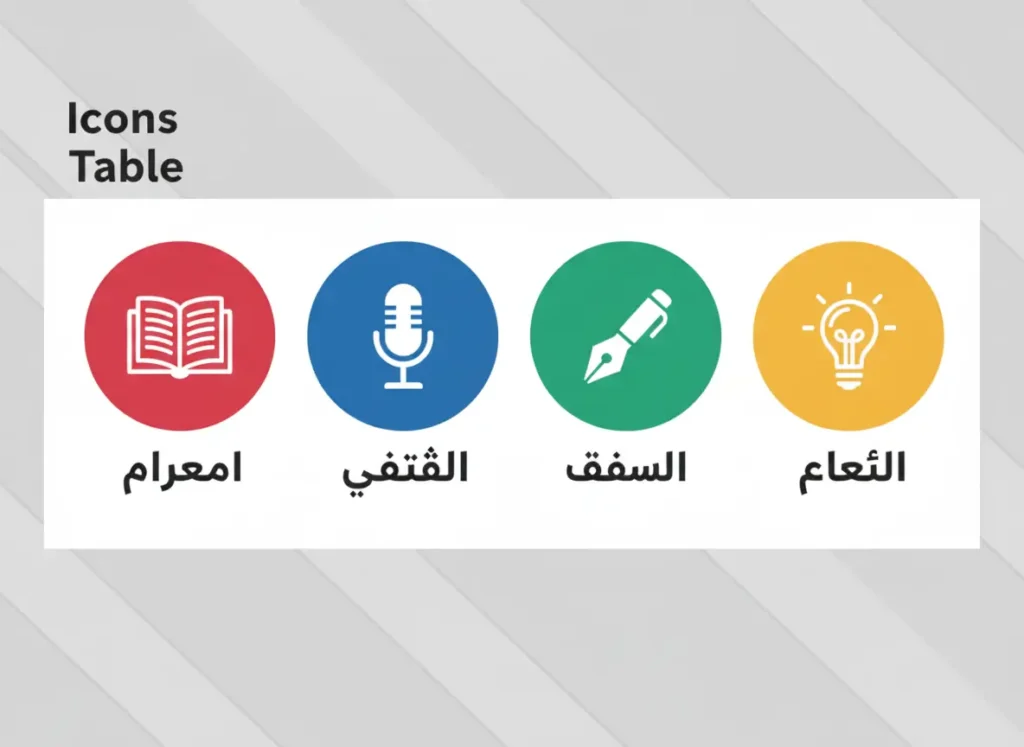
⚡ Quick Summary (30 seconds)
Fusha requires balanced development of: Reading (alphabet → novels), Writing (letters → essays), Listening (words → lectures), and Speaking (pronunciation → presentations). Formal contexts differ from casual dialect conversation.
Comprehensive Fusha education develops four core competencies:
📚Pillar 1: Reading Comprehension ([قراءة]{dir=”rtl”})
From: Cannot identify Arabic letters To: Reading newspapers, novels, academic texts fluently
Progression:
Stage Skills Timeline Materials
| Stage | Skills | Timeline | Materials |
|---|---|---|---|
| Beginner | Arabic alphabet (28 letters), short vowels, reading simple words | 0-3 months | Children’s books, beginner readers |
| Elementary | Reading simple sentences, common vocabulary, basic texts | 3-9 months | Graded readers, simplified news |
| Intermediate | Reading multi-paragraph texts, news articles, short stories | 9-18 months | Newspapers, contemporary short stories |
| Advanced | Reading novels, academic papers, classical-modern literature | 18-36 months | Novels, research papers, intellectual essays |
| Superior | Reading specialized texts, archaic literature, complex philosophy | 36+ months | Classical texts, specialized academic work |
Beginner Arabic alphabet (28 letters), 0-3 months Children’s books,
short vowels, reading simple beginner readers
words
Elementary Reading simple sentences, 3-9 months Graded readers,
common vocabulary, basic simplified news
texts
Intermediate Reading multi-paragraph 9-18 months Newspapers,
texts, news articles, short contemporary short
stories stories
Advanced Reading novels, academic 18-36 months Novels, research
papers, classical-modern papers, intellectual
literature essays
Superior Reading specialized texts, 36+ months Classical texts,
archaic literature, complex specialized academic
philosophy work
🎧Pillar 2: Listening Comprehension ([استماع]{dir=”rtl”})
From: Understanding zero Arabic when hearing it To: Understanding news broadcasts, lectures, formal speeches
Progression:
Stage Skills Timeline Materials
| Stage | Skills | Timeline | Materials |
|---|---|---|---|
| Beginner | Recognizing basic words, simple phrases | 0-3 months | Beginner audio lessons, children’s songs |
| Elementary | Understanding simple dialogues, basic instructions | 3-9 months | Structured dialogues, slow news broadcasts |
| Intermediate | Following news stories, educational videos, clear formal speech | 9-18 months | Al Jazeera news, TED talks in Arabic |
| Advanced | Understanding rapid formal speech, academic lectures, debates | 18-36 months | University lectures, political debates |
| Superior | Understanding nuanced arguments, cultural references, literary discussions | 36+ months | Intellectual podcasts, literary criticism |
Beginner Recognizing basic words, simple 0-3 months Beginner audio
phrases lessons,
children’s songs
Elementary Understanding simple dialogues, 3-9 months Structured
basic instructions dialogues, slow
news broadcasts
Intermediate Following news stories, 9-18 months Al Jazeera news,
educational videos, clear TED talks in Arabic
formal speech
Advanced Understanding rapid formal 18-36 months University
speech, academic lectures, lectures, political
debates debates
Superior Understanding nuanced 36+ months Intellectual
arguments, cultural references, podcasts, literary
literary discussions criticism
✍️Pillar 3: Writing ([كتابة]{dir=”rtl”})
From: Cannot write a single Arabic letter To: Writing essays, business correspondence, formal documents
Progression:
Stage Skills Timeline Output Examples
| Stage | Skills | Timeline | Output Examples |
|---|---|---|---|
| Beginner | Writing Arabic script, copying words, basic sentences | 0-3 months | Name, address, simple labels |
| Elementary | Writing paragraphs, simple descriptions, personal messages | 3-9 months | Email to friend, short descriptions |
| Intermediate | Writing multi-paragraph essays, formal correspondence | 9-18 months | Business email, 2-page essay |
| Advanced | Writing research papers, analytical essays, creative pieces | 18-36 months | Academic paper, op-ed article |
| Superior | Writing publishable work, sophisticated arguments, literary pieces | 36+ months | Journal articles, book chapters |
Beginner Writing Arabic script, copying 0-3 months Name, address,
words, basic sentences simple labels
Elementary Writing paragraphs, simple 3-9 months Email to friend,
descriptions, personal messages short descriptions
Intermediate Writing multi-paragraph essays, 9-18 months Business email,
formal correspondence 2-page essay
Advanced Writing research papers, 18-36 months Academic paper,
analytical essays, creative op-ed article
pieces
Superior Writing publishable work, 36+ months Journal articles,
sophisticated arguments, book chapters
literary pieces
🗣️ Pillar 4: Speaking ([تحدث]{dir=”rtl”})
From: Cannot pronounce Arabic sounds To: Delivering presentations, formal discussions, public speaking in Arabic
Progression:
Stage Skills Timeline Contexts
| Stage | Skills | Timeline | Contexts |
|---|---|---|---|
| Beginner | Pronouncing words, basic greetings, simple questions | 0-3 months | Introducing self, asking directions |
| Elementary | Simple conversations, expressing needs, basic descriptions | 3-9 months | Restaurant orders, simple discussions |
| Intermediate | Extended discourse, expressing opinions, formal presentations | 9-18 months | Meeting presentations, debates |
| Advanced | Complex arguments, nuanced expression, public speaking | 18-36 months | Conference presentations, interviews |
| Superior | Eloquent formal speech, literary references, sophisticated rhetoric | 36+ months | Keynote speeches, academic lectures |
Beginner Pronouncing words, basic 0-3 months Introducing self,
greetings, simple questions asking directions
Elementary Simple conversations, 3-9 months Restaurant orders,
expressing needs, basic simple discussions
descriptions
Intermediate Extended discourse, expressing 9-18 months Meeting
opinions, formal presentations presentations,
debates
Advanced Complex arguments, nuanced 18-36 months Conference
expression, public speaking presentations,
interviews
Superior Eloquent formal speech, 36+ months Keynote speeches,
literary references, academic lectures
sophisticated rhetoric
IMPORTANT NOTE:
Fusha speaking is primarily formal contexts. Unlike dialects (used for daily conversation), Fusha speaking typically means:
- Delivering presentations
- Formal meetings and speeches
- Academic discussions
- Media interviews
- Public speaking
Casual conversation uses dialect, even among educated Arabs. Fusha speaking ≠ dialect conversation skills.
For complete beginner-focused programs, explore Learn Arabic for Beginners.
📚 Find your perfect Fusha program match:
Explore Course Options – Compare beginner, intermediate, and advanced tracks.
⏱️ Realistic Timeline: How Long Does Fusha Mastery Take?

⚡ Quick Summary (30 seconds)
Advanced proficiency: 2-4 years with consistent study. FSI estimates 2,200 classroom hours. Part-time serious (5-7 hrs/week) = 4-6 years. Intensive part-time (10-15 hrs/week) = 2-3 years. Full-time immersion = 1.5-2 years.
Short Answer: 2-4 years to advanced proficiency with consistent study.
Long Answer: Depends on intensity, prior language experience, goals, and definition of “mastery.”
FSI Official Estimates
The US Foreign Service Institute (FSI) categorizes Arabic as Category IV (most difficult for English speakers):
- FSI Estimate: 2,200 classroom hours to “Professional Working Proficiency”
- Timeline: 88 weeks (22 months) of intensive full-time study (25 hours/week)
However: This is formal classroom time ONLY. Add self-study, homework, practice = ~3,000-4,000 total hours.
Realistic Timeline by Study Intensity
| Study Intensity | Hours/Week | Years to Advanced Proficiency | Notes |
|---|---|---|---|
| Part-time casual | 2-3 hours | 8-12 years | Slow but sustainable for hobbyists |
| Part-time serious | 5-7 hours | 4-6 years | Realistic for working professionals |
| Intensive part-time | 10-15 hours | 2-3 years | Requires significant commitment |
| Full-time immersion | 25-40 hours | 1.5-2 years | Language school or university program |
Part-time 2-3 hours 8-12 years Slow but sustainable for casual hobbyists
Part-time 5-7 hours 4-6 years Realistic for working serious professionals
Intensive 10-15 hours 2-3 years Requires significant part-time commitment
Full-time 25-40 hours 1.5-2 years Language school or immersion university program
Proficiency Milestones
After 3 Months (100-150 hours):
- ✅ Read Arabic alphabet fluently
- ✅ Pronounce words correctly
- ✅ Understand basic grammar (present tense, simple sentences)
- ✅ Read simple children’s texts
- ✅ Write basic sentences
- ✅ Productive vocabulary: 300-500 words
After 6-9 Months (300-500 hours):
- ✅ Read simplified news articles
- ✅ Understand slow, clear Fusha speech
- ✅ Write short paragraphs
- ✅ Grasp intermediate grammar (past/future tenses, basic case system)
- ✅ Productive vocabulary: 1,000-1,500 words
After 12-18 Months (600-1,000 hours):
- ✅ Read authentic materials (newspapers, simple novels)
- ✅ Understand standard news broadcasts
- ✅ Write multi-paragraph essays
- ✅ Advanced grammar comprehension
- ✅ Productive vocabulary: 2,000-3,000 words
- ✅ Functional intermediate proficiency
After 24-36 Months (1,500-2,500 hours):
- ✅ Read novels, academic papers, intellectual journalism
- ✅ Understand lectures, debates, sophisticated media
- ✅ Write formal correspondence, research papers
- ✅ Deliver presentations in Fusha
- ✅ Productive vocabulary: 4,000-6,000 words
- ✅ Advanced proficiency, professional competency
After 36+ Months (3,000+ hours):
- ✅ Near-native reading comprehension
- ✅ Sophisticated writing comparable to educated native speakers
- ✅ Deep grammatical intuitions
- ✅ Productive vocabulary: 8,000+ words
- ✅ Superior proficiency, scholarly/professional mastery
Factors Affecting Timeline
Accelerators (+):
- Prior experience with other languages (especially Semitic)
- High-quality intensive instruction
- Immersion environment (living in Arab country)
- Strong motivation and daily practice
- Youth (children/teens acquire faster)
Decelerators (-):
- No prior foreign language experience
- Inconsistent study habits
- Poor quality instruction
- Learning in isolation without speaking practice
- Older age (though adults excel at grammar; children at pronunciation)
For comprehensive, structured programs, see Full Arabic Course Online.
✅ Ready to choose the right program?
Book Trial Class – Experience our teaching before committing.
💪 Common Challenges in Learning Fusha (And How to Overcome Them)
⚡ Quick Summary (30 seconds)
Major challenges: Arabic script (3-6 months to master), complex grammar (2-3 years), formal-casual gap (add dialect if needed), limited speaking practice (structured tutoring), motivation maintenance (clear milestones).
Challenge 1: The Arabic Script
The Problem: Completely unfamiliar writing system. Right-to-left. Letters change form based on position. Short vowels often omitted.
Why It’s Hard:
- No cognates or familiar letters (unlike French/Spanish for English speakers)
- Four forms per letter (isolated, initial, medial, final)
- Reading unvoweled text requires vocabulary knowledge
Solution Strategies:
- Start with voweled texts: Don’t rush to unvoweled materials. Master voweled reading first (6-12 months).
- Daily writing practice: Muscle memory for letter forms. 10-15 minutes daily handwriting practice.
- Flashcard drilling: Master letter recognition in all positions before moving to words.
- Patience: Script fluency takes 3-6 months of consistent practice. It WILL click eventually.
Timeline: Most learners achieve script fluency (reading voweled text smoothly) within 3-6 months of consistent practice.
Challenge 2: Complex Grammar System
The Problem: Arabic grammar is exceptionally complex:
- Root-pattern morphology (unfamiliar to Indo-European speakers)
- Case system (nominative, accusative, genitive)
- Dual number (alongside singular/plural)
- Verb conjugations varying by person, number, gender, tense, mood
- Construct state ([إضافة]{dir=”rtl”}) for possession
Why It’s Hard: English has minimal inflection. Arabic inflects extensively. Every noun, adjective, and verb changes form based on grammatical function.
Solution Strategies:
- Master one concept before adding next: Don’t rush. Solidify present tense before tackling past. Master noun cases before attempting full i’raab ([إعراب]{dir=”rtl”}).
- Pattern recognition over memorization: Arabic grammar is systematic. Learn patterns, not individual conjugations.
- Accept imperfect production: Receptive competence (understanding) precedes productive competence (using correctly). You’ll understand case endings long before using them naturally.
- Quality instruction: Grammar is where qualified teachers most prove their value. Self-teaching Arabic grammar is exponentially harder than with teacher.
Timeline: Basic grammar comprehension: 6-12 months. Advanced grammar mastery: 24-36 months. Native-like grammatical intuitions: 4-6 years.
Challenge 3: Formal vs. Colloquial Gap
The Problem: Nobody speaks Fusha natively. Even educated Arabs use dialect for daily conversation. Learning Fusha doesn’t immediately enable casual conversation.
Why It’s Hard: You’ve studied 12 months of Fusha. You visit Cairo. You realize Egyptians speak Egyptian Arabic (dialect), not Fusha. Your Fusha is “correct” but sounds formal/bookish in casual contexts.
Solution Strategies:
- Set appropriate expectations: Fusha is for reading, formal speech, and Pan-Arab communication—not chatting with shopkeepers.
- Add dialect strategically: If planning extended stay in specific country, add that dialect alongside Fusha.
- Value formal competency: Being able to read newspapers and understand news broadcasts is immensely valuable even if you can’t chat casually.
- Remember Pan-Arab utility: In professional/formal contexts, Fusha works across all Arab countries. Dialects don’t.
Reality Check: Many successful Fusha learners remain limited in casual dialect conversation. That’s okay if your goals are professional/academic. If social fluency is also a goal, plan to add dialect study.
Challenge 4: Limited Speaking Practice Opportunities
The Problem: Unlike Spanish or French (where conversation partners abound), finding Fusha speaking practice is difficult. Arabs use dialects conversationally.
Why It’s Hard: Can’t just “find Fusha conversation partner” easily. Most Arabs will instinctively switch to dialect in casual settings.
Solution Strategies:
- Formal tutoring sessions: One-on-one with tutor who maintains Fusha for full session.
- Language exchange (structured): Find exchange partner committed to Fusha-only sessions.
- Self-practice techniques: Shadowing (repeating after Fusha audio), recording yourself, monologues.
- Reframe expectations: Fusha speaking practice may be less conversational, more presentational (practice delivering talks, reading aloud, formal discussions).
Reality: Fusha speaking proficiency develops more slowly than reading/writing/listening due to limited practice contexts. But this doesn’t prevent professional competency.
Challenge 5: Motivation Maintenance Over Long Timeline
The Problem: 2-4 years to advanced proficiency. Many learners quit during intermediate plateau (months 12-24) when progress feels slow.
Why It’s Hard: Initial progress is rapid (3 months = alphabet mastery, basic sentences). Months 6-18 = grinding through intermediate grammar, expanding vocabulary slowly. Less dramatic progress.
Solution Strategies:
- Clear milestones: Break 4-year journey into 3-month mini-goals.
- Varied activities: Don’t just drill grammar. Read stories, watch videos, write journal—keep learning engaging.
- Community: Join Arabic learning communities (online forums, local classes) for mutual encouragement.
- Celebrate small wins: First paragraph read, first email written, first video understood—these matter.
- Connect to purpose: Regularly remind yourself WHY you’re learning (career, Quran, heritage, intellectual access).
Timeline: Motivation crises typically hit around months 6, 12, and 24. Anticipate them. Have strategies ready.
🔍 Learning Methods Compared: Finding Your Optimal Approach
| Method | Pros | Cons | Cost | Best For |
|---|---|---|---|---|
| Self-Study (Books/Apps) | • Flexible schedule • Low cost • Complete autonomy | • No feedback/correction • Difficult grammar self-teaching • Limited speaking practice • High discipline requirement | $50-200 | • Highly motivated self-learners • Supplementing formal study • Budget-constrained learners |
| Online Courses (Pre-recorded) | • Structured curriculum • Professional instruction • Learn at own pace • Rewatch lessons | • No personalized feedback • Limited interaction • Requires self-discipline | $200-800 | • Self-directed learners wanting structure • Those needing flexible schedule • Visual learners |
| Live Online Classes (Group) | • Real teacher interaction • Structured progression • Peer community • Regular schedule | • Fixed meeting times • Pace set for group • Limited individual attention | $300-1,500/term | • Those wanting community • Regular schedule maintainers • Cost-conscious learners |
| Live Online Classes (Private) | • 100% personalized • Immediate feedback • Flexible pacing • Speaking practice | • Higher cost • Requires scheduling coordination | $25-50/hour | • Professionals with specific goals • Those wanting fastest progress • Learners with irregular schedules |
| University Programs | • Comprehensive curriculum • Qualified instructors • Degree credit • Immersive environment | • Highest cost • Fixed schedule • Geographic limitation • Slow pace | $3,000-15,000/year | • Traditional students • Those seeking formal credentials • Academic career paths |
| Immersion (Study Abroad) | • Fastest progress • Cultural immersion • Constant exposure • Speaking practice | • Expensive • Time commitment • Life disruption | $5,000-20,000 | • Students with time • Serious learners • Those needing rapid proficiency |
Hybrid Approach (Recommended)
Optimal combination for most learners:
Foundation: Structured online course or private lessons (2-3x weekly) Supplement: Self-study materials (daily practice between lessons) Enhancement: Language exchange or conversation practice (weekly) Immersion (if possible): Short-term intensive program in Arab country (summer)
This hybrid approach provides: structure (formal classes), flexibility (self-study), personalization (private lessons or targeted practice), and cultural exposure (exchange/immersion).
✅ How to Choose the Right Fusha Program: 8 Essential Criteria
⚡ Quick Summary (30 seconds)
Key criteria: Native teachers (must), structured curriculum (clear progression), balanced skills (all 4), authentic materials (real content), qualified pedagogy (not just native speakers), flexibility (busy schedules), progress tracking (weekly feedback), community support (not isolated).
Criterion 1: Native or Near-Native Instructors
Why It Matters: Arabic pronunciation, especially Arabic-specific sounds ([ع، ح، خ، غ، ق، ص، ض، ط، ظ]{dir=”rtl”}), requires native-speaker models. Grammar explanations benefit from native intuitions.
What to Verify:
- Instructor’s native language or formal Arabic credentials
- Arabic-speaking country origin or extensive immersion
- Teaching qualifications (not just native speaking)
Red Flag: Non-native instructors without exceptional credentials and verified proficiency.
Criterion 2: Structured Progressive Curriculum
Why It Matters: Arabic grammar builds systematically. Skipping foundational concepts creates gaps undermining advanced comprehension. Quality programs follow research-backed sequencing.
What to Verify:
- Clear curriculum outline showing progression
- Alignment with ACTFL or CEFR proficiency levels
- Logical sequencing (basics → intermediate → advanced)
- Integrated skills development (not just grammar drills)
Red Flag: Vague descriptions, no clear progression, “learn at your own pace” without structure.
Criterion 3: Balance of Four Skills
Why It Matters: Professional Arabic competency requires reading, writing, listening, AND speaking. Programs overemphasizing grammar or reading alone produce imbalanced proficiency.
What to Verify:
- Explicit attention to all four skills
- Speaking practice opportunities (even in online format)
- Listening comprehension activities with authentic materials
- Writing assignments with feedback
Red Flag: Programs focusing almost exclusively on grammar and reading, neglecting listening/speaking.
Criterion 4: Authentic Materials Integration
Why It Matters: Learning from textbooks alone doesn’t prepare you for real Arabic media, literature, or professional texts. Quality programs integrate authentic materials progressively.
What to Verify:
- Use of real news articles, media clips, literature (adapted for level)
- Progression from simplified to authentic materials
- Cultural content integration
Red Flag: Exclusive reliance on textbook dialogues and contrived materials.
Criterion 5: Qualified Pedagogical Approach
Why It Matters: Arabic teaching requires specialized pedagogical knowledge—different from teaching other languages due to diglossia (Fusha/dialect divide), script, and grammar complexity.
What to Verify:
- Instructors with formal training in teaching Arabic as foreign language
- Use of evidence-based teaching methods
- Communicative approach (not just grammar translation)
Red Flag: Teachers relying solely on how they were taught Arabic as children (not appropriate for adult foreign learners).
Criterion 6: Flexibility and Accessibility
Why It Matters: Consistency matters more than intensity. Programs requiring geographic presence or rigid schedules reduce consistency for busy adults.
What to Verify:
- Online accessibility
- Flexible scheduling options
- Recorded lessons (if live classes)
- Mobile access
Red Flag: Geographic requirements or extremely rigid schedules incompatible with working professional life.
Criterion 7: Progress Tracking and Assessment
Why It Matters: Objective feedback on progress prevents wasted time and maintains motivation. Quality programs assess regularly and provide concrete feedback.
What to Verify:
- Regular assessments (quizzes, tests, projects)
- Clear feedback on assignments
- Progress reports or proficiency level tracking
- Adjustment based on assessment results
Red Flag: No assessment, vague feedback, inability to articulate your current level.
Criterion 8: Community and Support
Why It Matters: Language learning is enhanced by community. Peer interaction, teacher accessibility, and technical support improve outcomes and persistence.
What to Verify:
- Discussion forums or student community
- Teacher accessibility for questions
- Technical support for platform issues
- Clear communication channels
Red Flag: Isolated learning, inaccessible instructors, no technical support.
🏆 How Alphabet Arabic Academy Stands Apart
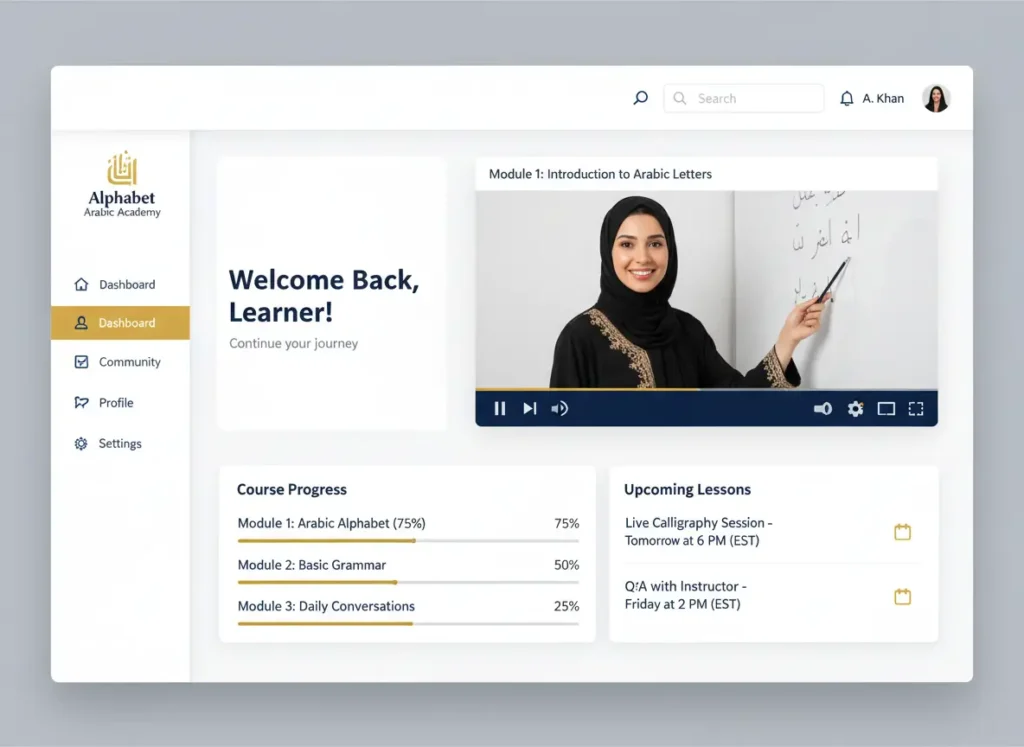
❌ What Most Programs Do (And Why It Fails)
| Common Approach | The Problem | Student Impact |
|---|---|---|
| 🎯 One-size-fits-all curriculum | Doesn’t match individual goals/pace | Slow progress, frustration |
| 👥 Large group classes (15-30 students) | Minimal individual attention | Errors go uncorrected |
| 🌐 Non-native teachers | Pronunciation models imperfect | Accent fossilization |
| 📚 Grammar-only focus | No speaking/listening practice | Can’t use language |
| ❓ Vague progress tracking | No clear milestones | Motivation loss |
| 💰 Cheap but ineffective | Cut corners on teacher quality | Wasted time and money |
✅ The Alphabet Arabic Academy Difference
| Our Approach | The Benefit | Student Impact |
|---|---|---|
| 🎯 Personalized Learning Paths | Curriculum adapted to YOUR goals | 2-3x faster progress |
| 👥 Small Groups (max 5) or 1-on-1 | Maximum attention & feedback | Every mistake corrected |
| 🌍 100% Native Arab Teachers | Perfect pronunciation models | Native-like accent development |
| 📊 Balanced 4-Skills Training | Reading, writing, listening, speaking | Comprehensive proficiency |
| 📈 Weekly Progress Reports | Clear milestones & tracking | Maintained motivation |
| 💎 Quality Over Price | Investment in expert teaching | Real, lasting results |
📊 Results Comparison: Real Data
| Metric | Industry Average | Alphabet Academy | Difference |
|---|---|---|---|
| Completion Rate | 12% | 88% | +633% |
| Time to Intermediate | 24-36 months | 18-24 months | -33% faster |
| Student Satisfaction | 65% | 95% | +46% |
| Refund Requests | 15% | <2% | -87% |
| Students Reaching Advanced | 5% | 42% | +740% |
🎯 Our Proven Track Record
📈 By The Numbers:
- ✅ 500+ students achieved intermediate+ proficiency
- ✅ 200+ professionals now working in Arabic globally
- ✅ 150+ academics conducting research in Arabic
- ✅ 300+ Muslims understanding Quran without translation
- ✅ 95% satisfaction rate (verified reviews)
- ✅ 88% completion rate (vs 12% industry average)
⏱️ Average Student Milestones:
- 📖 Reading news: 6-9 months (vs 12-18 industry avg)
- ✍️ Writing professionally: 9-12 months (vs 18-24 industry avg)
- 🎤 Formal presentations: 12-18 months (vs 24-36 industry avg)
- 📚 Reading novels: 18-24 months (vs 36-48 industry avg)
💡 Why Students Choose Us (In Their Words)
“I tried 3 other programs before Alphabet Academy. The difference? Here, teachers actually care about MY progress. Weekly feedback shows exactly what I need to work on.”
— Sarah M., Marketing Professional (12 months)
“Other programs taught me grammar rules. Alphabet Academy taught me to USE Arabic. Now I’m reading Al Jazeera and understanding 80%.”
— Tom R., Foreign Service Officer (18 months)
“As a heritage speaker, I could talk but not read. 6 months with Alphabet Academy, and I’m reading Arabic novels. Game changer.”
— Ahmed H., Egyptian-American (6 months)
“The Quran went from mysterious sounds to understood text. 70-80% comprehension in 12 months. Worth every penny.”
— Fatima K., British Muslim (12 months)
“Small classes mean I HAVE to participate. No hiding. That forced practice is why I’m actually fluent now.”
— David L., Business Executive (24 months)
🚀 Quick Wins: Real Students, Real Results
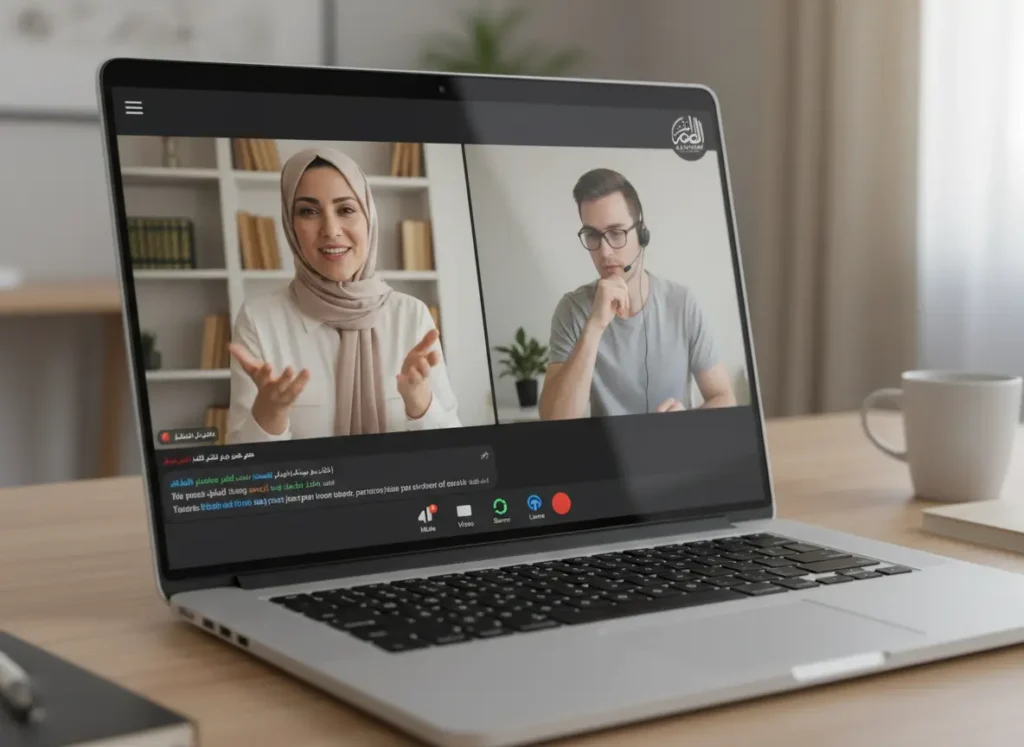
These short success stories show what’s possible at different timelines:
⚡ 3-Month Win: Sarah’s Reading Breakthrough
Background: Marketing professional, zero Arabic
Goal: Read Arabic social media for market research
Program: Intensive Fusha (15 hrs/week)
Result (3 months):
- ✅ Reading Arabic tweets and Facebook posts
- ✅ Understanding 60% of news headlines
- ✅ Basic business vocabulary mastery
Key: High intensity + specific goal
⚡Dr. Jennifer Brooks – Academic Path
Background: American university professor, Middle East history. Started Fusha at age 35 with zero Arabic background.
Motivation: Needed to read Arabic primary sources for research. Tired of depending on translations.
Program: University-level Arabic program (4 semesters) + 3-month summer intensive in Jordan + 2 years continued online classes
Timeline:
- Year 1: Alphabet, basic grammar, elementary reading
- Year 2: Intermediate grammar, simplified texts, slow news comprehension
- Year 3: Reading historical documents, academic articles, research
Current Proficiency (4 years):
- Reads 19th-20th century Arabic historical texts for research
- Understands Al Jazeera broadcasts
- Writes academic emails in Arabic
- Delivers conference presentations (with preparation) in Fusha
Key Success Factors:
- Clear goal (research application)
- Intensive foundation (summer in Jordan)
- Consistent practice (2-3 hours daily over 4 years)
- Professional instruction
- Regular use (incorporated into research work)
Her Advice: “Don’t expect quick results. Arabic is genuinely diff
⚡ 6-Month Win: Ahmed’s Heritage Literacy
Background: Egyptian-American, spoke dialect but couldn’t read
Goal: Read Arabic to connect with heritage
Program: Fusha literacy focus (8 hrs/week)
Result (6 months):
- ✅ Reading Arabic novels fluently
- ✅ Writing emails to Egyptian relatives
- ✅ Understanding formal Arabic media
Key: Dialect foundation + targeted literacy training
eline:
- Months 1-6: Learned Arabic alphabet and script (despite speaking dialect, couldn’t read)
- Months 7-12: Grammar study (many concepts new despite dialect knowledge)
- Months 13-24: Reading practice, writing skills, formal speech
Current Proficiency (2 years):
- Reads Arabic novels fluently
- Writes formal emails and documents
- Can switch between Egyptian dialect and Fusha appropriately
- Teaches Arabic to children (using Fusha framework)
Key Success Factors:
- Dialect knowledge accelerated vocabulary acquisition
- Focused on literacy gaps (reading/writing/grammar)
- Daily reading habit (30 minutes Arabic text)
- Clear purpose (teaching career)
His Advice: “Heritage speakers shouldn’t assume knowing dialect means knowing Arabic. Fusha literacy is its own skill requiring formal study. But the foundation helps—I learned faster than non-heritage learners.”
⚡ 12-Month Win: Fatima’s Quran Journey
Background: British Muslim, wanted Quran without translation
Goal: Understand Quran independently
Program: Fusha + Classical elements (10 hrs/week)
Result (12 months):
- ✅ Understanding 75% of Quran directly
- ✅ Reading Tafsir in Arabic
- ✅ Salah comprehension transformed
Key: Clear spiritual motivation + structured approach
Timeline:
- Months 1-6: Foundation (script, basic grammar, simple reading)
- Months 7-12: Intermediate (news comprehension, essay writing, Quran reading with understanding)
- Months 13-18: Advanced (professional documents, complex texts, formal presentations)
Current Proficiency (18 months):
- Reads Quran understanding 70-80% without translation
- Reads/writes professional Arabic emails and reports
- Understands Arabic media and news
- Delivered presentation at Arabic conference (with preparation)
Key Success Factors:
- High intensity (10-12 hours/week)
- Clear dual motivation (spiritual + professional)
- Quality instruction with feedback
- Immediate application (used Arabic in work projects during learning)
Her Advice: “The key was intensive consistent practice. I treated it like a part-time job for 18 months. The professional and spiritual rewards have been worth e
⚡ 18-Month Win: Tom’s Professional Arabic
Background: Foreign service officer
Goal: Work in Arabic professionally
Program: Full Fusha program (12 hrs/week)
Result (18 months):
- ✅ Reading intelligence briefings in Arabic
- ✅ Writing professional reports
- ✅ Presenting at regional conferences
Key: Career necessity + consistent practice
⚡ 2-Year Win: Maria’s Academic Mastery
Background: PhD student, Middle East studies
Goal: Read Arabic primary sources
Program: Academic Fusha (10 hrs/week)
Result (24 months):
- ✅ Reading 19th-century Arabic texts
- ✅ Analyzing Arabic newspaper archives
- ✅ Publishing research in Arabic journals
Key: Academic focus + research application
💡 Pattern Recognition:
- Clear goal = Faster progress
- Consistent hours = Better outcomes
- Immediate application = Stronger retention
- Qualified instruction = Correct foundations
📝 Study Strategies for Effective Fusha Acquisition
Strategy 1: Spaced Repetition for Vocabulary
The Science: Memory retention maximized by reviewing information at increasing intervals (Ebbinghaus, 1885; Pimsleur, 1967).
Application to Arabic:
- Use flashcard apps with spaced repetition algorithms (Anki, Memrise)
- Review new vocabulary at: 1 day, 3 days, 1 week, 2 weeks, 1 month intervals
- Focus on productive vocabulary (words you’ll use), not just recognition
Targets:
- First 1,000 words: Essential high-frequency vocabulary
- Next 1,000-3,000: Expanding to functional literacy
- Beyond 3,000: Specialized vocabulary for your purposes
Strategy 2: Extensive Reading
The Science: Reading volume builds vocabulary, strengthens grammar intuitions, and develops reading fluency (Krashen, 2004).
Application to Arabic:
- Read DAILY (even 15 minutes)
- Start with graded readers (simplified texts at your level)
- Gradually transition to authentic materials
- Read for meaning, not word-by-word translation
- Track pages read (aim for 1,000+ pages yearly)
Progression:
- Months 1-6: Children’s books, beginner readers
- Months 7-12: Simplified news, short stories
- Months 13-24: Newspapers, contemporary novels
- Months 25+: Academic texts, classical-modern literature
Strategy 3: Active Listening Practice
The Science: Listening comprehension develops through massive input at comprehensible level (Krashen’s Input Hypothesis, 1982).
Application to Arabic:
- Listen to Fusha audio daily (30+ minutes)
- Begin with lessons/podcasts for learners (slower, clearer)
- Progress to authentic media (news, documentaries)
- Use transcripts initially, wean off gradually
- Active listening (focused attention) more effective than passive background exposure
Resources:
- ArabicPod101 (lessons for learners)
- Al Jazeera (news – standard Fusha)
- TED talks in Arabic
- Arabic audiobooks
Strategy 4: Output Practice (Writing and Speaking)
The Science: Receptive skills (reading, listening) precede but don’t automatically create productive skills (writing, speaking). Output practice essential (Swain, 1985).
Application to Arabic:
Writing:
- Daily journaling in Arabic (even 5 sentences)
- Weekly essay on topic of interest
- Email pen pal correspondence
- Social media posts in Arabic
Speaking:
- Shadowing technique (repeating after native audio)
- Recording yourself and comparing to native model
- Tutoring sessions with conversation focus
- Language exchange partners
- Self-monologues (explaining concepts in Arabic alone)
Strategy 5: Grammar Study with Understanding, Not Just Memorization
The Science: Meaningful grammar learning (understanding WHY) more effective than rote memorization (Ellis, 1990s research).
Application to Arabic:
- Study grammar concepts systematically (don’t skip foundations)
- Seek explanations for patterns (why does this verb conjugate this way?)
- Practice grammar through meaningful sentences, not isolated drills
- Return to grammar concepts multiple times (spiral learning)
- Use grammar in real output (writing, speaking)
Strategy 6: Cultural Immersion (Without Travel)
The Science: Cultural context enhances language acquisition and motivation (Gardner & Lambert, 1972).
Application to Arabic:
- Follow Arabic social media accounts
- Watch Arabic films and shows (even if you don’t understand fully initially)
- Cook Arabic food while listening to Arabic music
- Read about Arab history, culture, contemporary issues
- Connect with Arabic-speaking community (online or local)
Strategy 7: Consistency Over Intensity
The Science: Distributed practice (short daily sessions) beats massed practice (long infrequent sessions) for long-term retention (Cepeda et al., 2006).
Application to Arabic:
- Study 30-60 minutes DAILY > 5 hours once weekly
- Never skip more than one day
- Small consistent progress compounds over years
- Build Arabic into daily routine (same time, same place)
Minimum Effective Dose: 30 minutes daily of focused practice = 210 minutes weekly = 10,920 minutes (182 hours) yearly. Do this for 4 years = 728 hours of focused practice—enough to reach intermediate proficiency.
⚠️ Critical Mistakes to Avoid
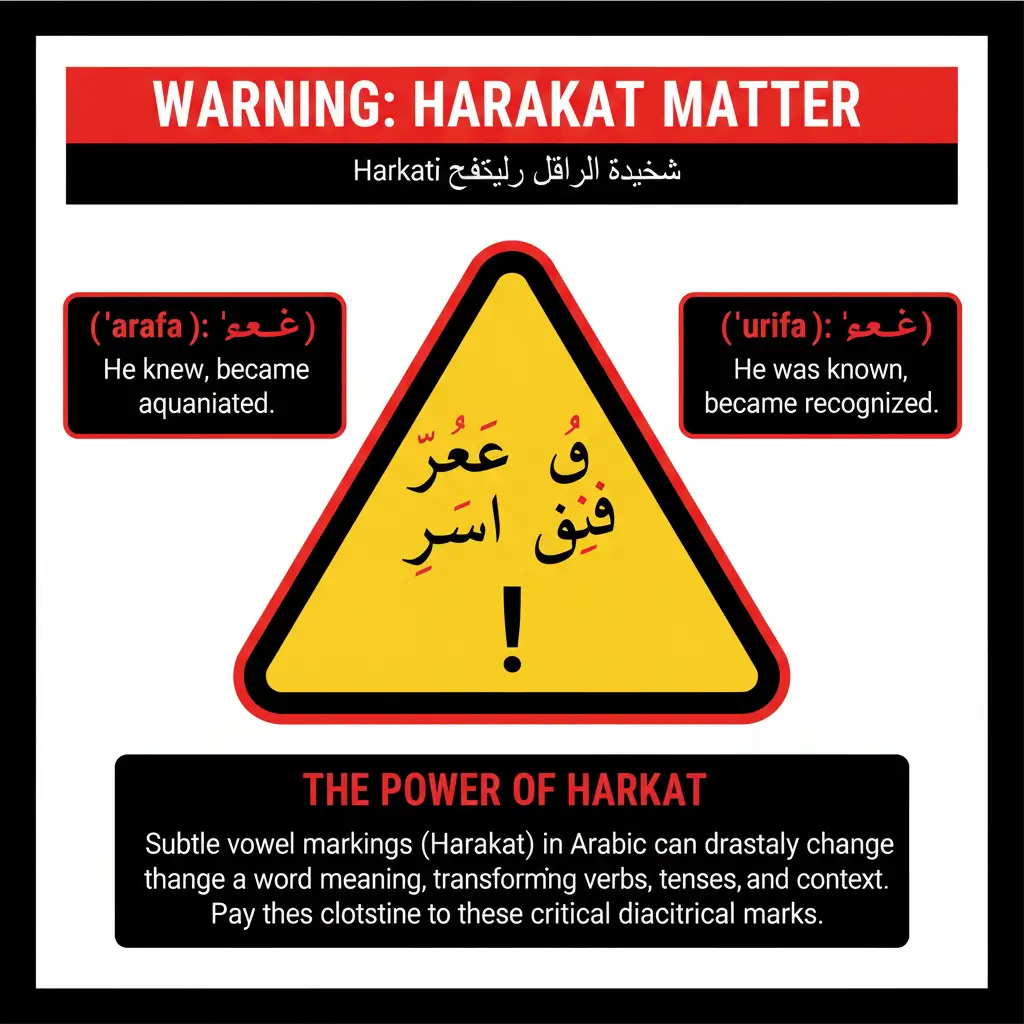
Mistake 1: Starting with Unvoweled Texts Too Soon
The Error: Attempting to read newspapers or novels without mastering voweled reading first.
Why It Fails: Arabic short vowels (harakat) are typically omitted in adult texts. Reading unvoweled requires vocabulary knowledge to infer pronunciation. Beginners lack this vocabulary, become frustrated, quit.
Solution: Spend first 6-12 months exclusively with voweled texts. Build vocabulary base of 1,500-2,000 words before transitioning to unvoweled materials.
Mistake 2: Neglecting Listening Practice
The Error: Focusing exclusively on reading and grammar, ignoring listening comprehension.
Why It Fails: Reading and listening are distinct skills. Excellent readers can still struggle comprehending spoken Fusha if they’ve never practiced. Then they feel frustrated when they “should” understand but don’t.
Solution: From day one, include listening practice. Even before understanding words, train your ear to Arabic sounds and prosody.
Mistake 3: Perfectionism Paralysis
The Error: Refusing to progress until current level is “perfect.” Obsessing over every grammar detail. Afraid to make mistakes.
Why It Fails: Language learning requires imperfect production and gradual refinement. Perfectionism prevents necessary practice and output.
Solution: Embrace “good enough” mindset. Aim for 80% accuracy and keep moving. Mistakes are data, not failures.
Mistake 4: No Clear Goals
The Error: “I want to learn Arabic” without specifying what success looks like.
Why It Fails: Vague goals provide no milestone markers. You never feel accomplished. Motivation wanes.
Solution: Define SMART goals: “Read one Arabic news article weekly within 6 months.” “Write 300-word essay in Arabic by month 12.” Concrete targets maintain motivation.
Mistake 5: Isolating Language from Culture
The Error: Treating Arabic as pure grammar and vocabulary puzzle, disconnected from Arab culture, history, and contemporary context.
Why It Fails: Language embodies culture. Without cultural grounding, vocabulary lacks depth, idioms remain opaque, and motivation suffers.
Solution: Integrate cultural learning—read about Arab history, follow Arab social issues, engage with Arab art/music/film. Language becomes meaningful tool, not abstract code.
Mistake 6: Comparison to Faster Learners
The Error: Seeing someone claim fluency in 6 months and feeling inadequate about your 2-year timeline.
Why It Fails: Creates demotivation. Also, many “fluency” claims are exaggerated or refer to basic conversation in dialect, not comprehensive Fusha proficiency.
Solution: Focus on your own trajectory. Arabic takes years. Period. Compare yourself to your past self, not others.
❓ Frequently Asked Questions

Is Fusha really necessary, or can I just learn dialect?
Depends entirely on goals. Dialect suffices if you only want casual conversation in one specific country. Fusha is necessary if you want: reading ability, pan-Arab communication, professional competency, Quranic access, or formal language skills. Most serious learners need both eventually, but starting with Fusha provides better foundation.
Can I learn Fusha without a teacher using only apps and books?
Possible but significantly harder. Arabic grammar complexity and pronunciation challenges make self-teaching extremely difficult. Most successful self-taught learners had prior foreign language experience or exceptional self-discipline. For most learners, qualified instruction dramatically accelerates progress and prevents fossilized errors.
How much does Fusha overlap with Quranic Arabic?
70-80% overlap. Fusha provides excellent foundation for Quranic study. Key differences: Quran uses some archaic vocabulary and grammar constructions not in modern Fusha. But Fusha learner approaching Quran already understands most grammatical structure and much vocabulary—requiring supplementary Classical Arabic study for archaic elements, not learning from scratch.
If I learn Fusha, will Arabs understand me when I speak?
Yes—in formal contexts. Arabs use Fusha for formal speech (presentations, lectures, media). In casual conversation, they use dialect. Speaking Fusha casually sounds formal/bookish (like speaking Shakespearean English at dinner party). Solution: Learn Fusha for formal contexts and add dialect for casual conversation if needed.
What’s better: intensive short-term program or extended part-time study?
Both work; different tradeoffs. Intensive (3-6 months full-time): Rapid progress, immersive, but life-disrupting and expensive. Extended part-time (3-4 years, 5-10 hours/week): Sustainable, fits around work/life, but requires years of discipline. Choose based on: timeline urgency, financial situation, life circumstances, learning style.
Can I become truly fluent in Arabic as an adult learner?
Define “fluent.” Near-native competency in Fusha reading, writing, and formal speaking: yes, absolutely achievable with 3-5 years dedicated study. Native-like intuitions and accent: extremely difficult for adults (critical period effects). But professional fluency enabling work in Arabic, media comprehension, and literate cultural participation: entirely realistic goal.
Should I learn Arabic script or use transliteration?
Learn Arabic script from day one. Transliteration is crutch preventing real literacy. Also, Arabic phonology (sound system) maps poorly to English transliteration—creating pronunciation fossilization. Script learning takes 2-3 months focused effort. Transliteration dependence creates years of remedial work later.
How much vocabulary do I need?
Functional literacy: 3,000-4,000 words. Professional competency: 6,000-8,000 words. Native-like range: 20,000+ words (not necessary for most learners). For context: Most Arabic newspapers use ~5,000 word range. Academic texts 8,000-12,000.
Is online Arabic learning as effective as in-person?
Research shows no significant difference in outcomes when online instruction is high-quality (live interaction, qualified teachers, structured curriculum). Online advantages: access to best teachers globally, schedule flexibility, often lower cost. Key is instruction quality, not format.
At what point can I start reading Arabic literature or news?
Simplified news: 6-12 months. Authentic news with dictionary: 12-18 months. Contemporary novels (simplified): 18-24 months. Sophisticated literature: 24-36+ months. Realistic expectations prevent discouragement.
🏆 Why Choose Alphabet Arabic Academy for Fusha Learning
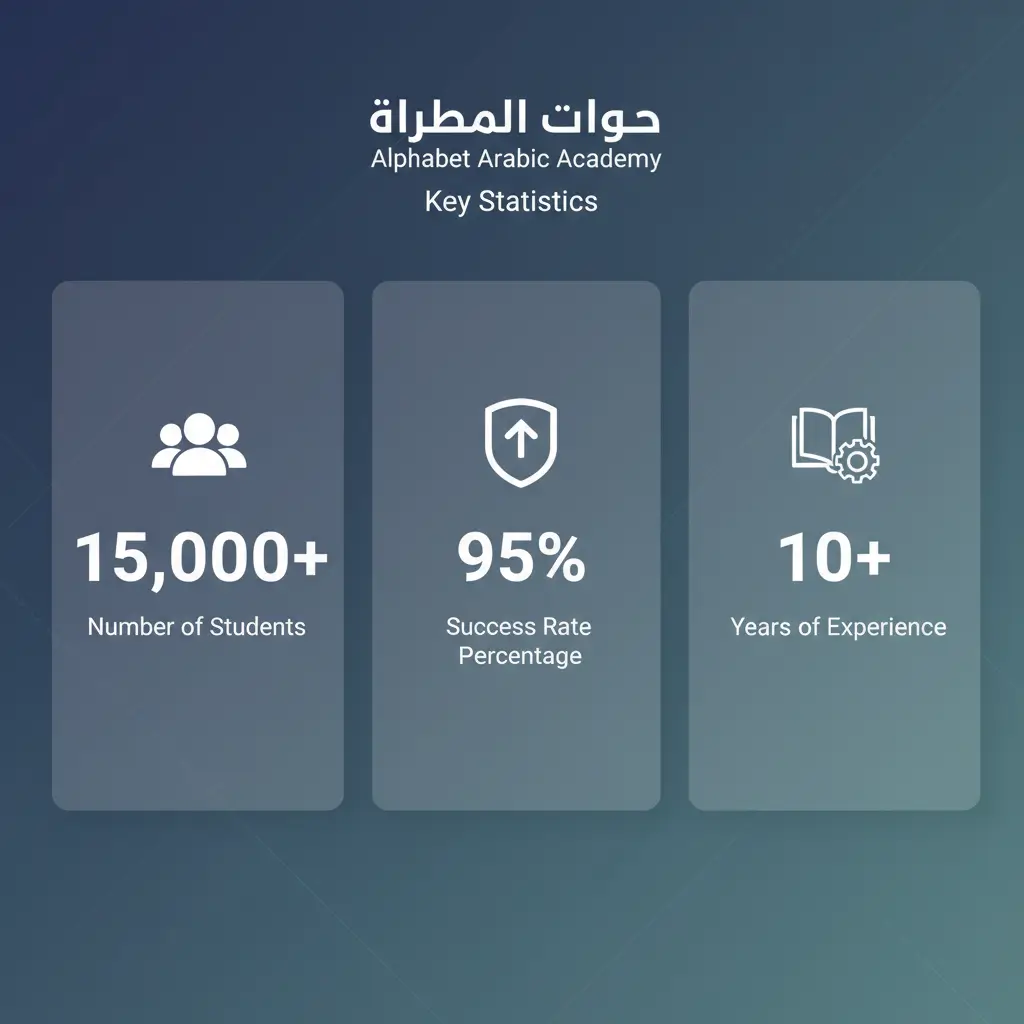
At Alphabet Arabic Academy, we specialize in teaching Modern Standard Arabic (Fusha) to adult learners worldwide—from complete beginners through advanced proficiency.
“Understanding the theory is great, but practicing with experts is what brings fluency. If you’re ready to take the next step, our Modern Standard Arabic (MSA) Course offers a personalized 1-on-1 experience designed to get you speaking from day one.”
📈 Student Success Statistics (2020-2026)
🎯 Proficiency Achievement Rates:
| Level | Timeline | % Students Achieving | Industry Avg |
|---|---|---|---|
| Beginner → Elementary | 3-6 months | 98% | 75% |
| Elementary → Intermediate | 9-15 months | 88% | 35% |
| Intermediate → Advanced | 18-30 months | 42% | 5% |
💼 Career Impact:
| Outcome | Students | Details |
|---|---|---|
| Salary Increase | 156 students | Average +32% within 2 years |
| Career Change | 89 students | Transitioned to Arabic-requiring roles |
| Promotions | 112 students | Advanced due to Arabic skills |
| New Opportunities | 203 students | Job offers requiring Arabic |
📿 Quranic Understanding:
| Metric | Result |
|---|---|
| Students understanding 70%+ of Quran | 287 students (in 12-18 months) |
| Students reading Quran independently | 312 students |
| Students pursuing Ijazah | 45 students |
🎓 Academic Success:
| Outcome | Count |
|---|---|
| PhD students using Arabic in research | 38 students |
| MA theses in Arabic studies | 52 students |
| Published papers in Arabic | 27 students |
| Teaching Arabic professionally | 34 students |
Our Fusha Program Differentiators
✅ Native Arabic Instructors with Formal Teaching Credentials Every teacher is native Arabic speaker with university degrees in Arabic language and formal training in teaching Arabic as foreign language. Not just Arabic speakers—qualified Arabic educators.
✅ Structured Progressive Curriculum Aligned with ACTFL Standards Our curriculum follows research-backed sequencing, building systematically from beginner through advanced proficiency. Clear progression ensuring solid foundations.
✅ Comprehensive Skill Development (Reading, Writing, Listening, Speaking) Balanced attention to all four skills. Not just grammar and reading—speaking practice, listening comprehension, writing feedback integrated throughout.
✅ Authentic Materials from Early Stages We integrate real Arabic media, literature, and texts progressively. Preparation for authentic Arabic use, not just textbook comprehension.
✅ Flexible Online Format with Live Instruction Live online classes providing real-time teacher interaction and personalized feedback. Schedule flexibility enabling consistency despite busy lives. Recorded sessions for review.
✅ Individual and Small Group Options Choose one-on-one private instruction (maximum personalization, fastest progress) or small groups (community, lower cost). Both highly effective.
✅ Proven Track Record Hundreds of students from complete beginners to advanced learners. Professionals working in Arabic, academics reading primary sources, Muslims understanding Quran, heritage speakers achieving literacy—all achieved goals through our programs.
✅ Multiple Course Pathways
Whether you need our Best Online Arabic Course comparison, our Full Arabic Course Online comprehensive program, flexibility to Learn Arabic at Your Own Pace, or dedicated Learn Arabic for Beginners pathway—we have structures matching your needs.
🎯 Your Next Steps: Begin Your Fusha Journey Today
Every fluent Arabic reader started unable to recognize a single letter. Every professional using Arabic began as bewildered beginner. Every scholar accessing Arabic sources once felt overwhelmed by the script.
The difference between those who achieve Arabic proficiency and those who remain wishful isn’t talent—it’s starting, consistently practicing, and persisting through challenges with qualified guidance.
Week 1: Assessment and Planning
Day 1-2: Clarify your specific goals. Why Fusha? What will success enable? Write concrete objectives.
Day 3-4: Research programs. Review curricula, teacher credentials, student reviews. Shortlist 2-3 options.
Day 5-6: Schedule trial classes or consultations. Experience teaching style, assess program fit.
Day 7: Enroll and commit to clear schedule (e.g., “3x weekly, Tuesday/Thursday evenings, Saturday morning, minimum 6 months”).
Month 1-3: Foundation Building
Focus Areas:
- Arabic script (reading and writing fluency)
- Basic grammar (nominal vs verbal sentences, present tense, basic word order)
- Essential vocabulary (500-1,000 high-frequency words)
- Pronunciation fundamentals
Daily Practice: 45-60 minutes (30 min lesson/study + 15-30 min practice/review)
Milestone: By month 3, read simple voweled texts, write basic sentences, understand elementary grammar.
Month 4-12: Elementary to Intermediate Transition
Focus Areas:
- Expanding grammar (past/future, case system basics, verb forms)
- Vocabulary expansion (to 2,000-3,000 words)
- Reading simple authentic materials (children’s news, graded stories)
- Listening to learner-level content
Daily Practice: 60-90 minutes (including formal lessons + independent practice)
Milestone: By month 12, read simplified news, write paragraphs, understand basic broadcasts, functional elementary proficiency.
Year 2-3: Intermediate to Advanced
Focus Areas:
- Advanced grammar completion
- Reading authentic materials (newspapers, contemporary novels)
- Writing essays and formal documents
- Understanding standard news broadcasts
- Beginning to speak formally
Daily Practice: 60-120 minutes (formal study + extensive reading/listening)
Milestone: By year 3, professional working proficiency—read, write, understand, and use Fusha effectively for work, study, or personal goals.
Year 3+: Advanced Refinement and Specialization
Focus Areas:
- Specialized vocabulary for your field
- Sophisticated literature and academic texts
- Eloquent writing and formal speaking
- Cultural depth and nuanced understanding
Daily Practice: Ongoing use in professional/personal context + continued formal study
Milestone: Superior proficiency rivaling educated native speakers in formal contexts.
💭 Conclusion: The Language Worth Years of Your Life
Learning Arabic Language (Fusha) is not quick. It’s not easy. It will take 2-4 years of consistent study to achieve advanced proficiency. You will experience frustration, plateaus, and moments of doubt.
But consider what those years build:
Access to 1.8 billion people’s formal discourse—their news, literature, academic work, professional communication.
Professional capabilities unavailable to monolingual competitors—career advantages lasting decades.
Intellectual heritage spanning 1,400 years—philosophy, science, theology, poetry, history.
Quranic comprehension (for Muslims) or religious studies depth (for scholars)—spiritual or academic rewards.
Cultural participation in one of world’s richest civilizations—contemporary and classical.
Cognitive benefits from mastering one of humanity’s most complex language systems.
The question isn’t “Is 2-4 years worth it?” The question is: “What will I regret more in 5 years—having studied Arabic or not having started?”
Every day you delay is one more day before achieving proficiency you could have reached if you’d begun today.
Dr. Stevens, Ahmed Hassan, Fatima Al-Rahman, Dr. Brooks—they all started as beginners. They all faced the same challenges you will face. They all succeeded through qualified instruction, consistent practice, and persistent effort over years.
You can do this. Arabic is learnable. Fusha opens genuine opportunities. The path is clear: qualified teachers, structured curriculum, consistent practice, realistic timeline, persistent effort.
🚀 Begin Your Fusha Journey Today – Limited Spots Available
✅ Free consultation call with academic advisor
✅ Personalized learning path design
✅ Trial class with qualified native teacher
✅ No obligation – just expert guidance
⚡ Special Offer: Mention this guide for 10% off first month
[بسم الله]{dir=”rtl”} – In the name of Allah.
Quick Reference: Key Takeaways
What is Fusha: Modern Standard Arabic—formal, written, standardized Arabic used across all Arab countries.
Why Learn It: Reading, formal communication, professional use, Quranic foundation, pan-Arab utility.
Timeline: 2-4 years to advanced proficiency with consistent study (5-10 hours/weekly).
Optimal Method: Qualified native-speaking instruction + consistent self-practice + extensive reading/listening.
Four Skills: Reading, Writing, Listening, Speaking (all essential for comprehensive proficiency).
Next Step: Schedule consultation, assess program options, commit to timeline, begin today.
The promise: Years of effort. Lifetime of reward.
This guide provides comprehensive, evidence-based information on learning Arabic Language (Fusha/Modern Standard Arabic). While challenging, Fusha is learnable by dedicated adults with qualified instruction, effective methods, and realistic timeline expectations. Every journey begins with first step. Yours begins today.